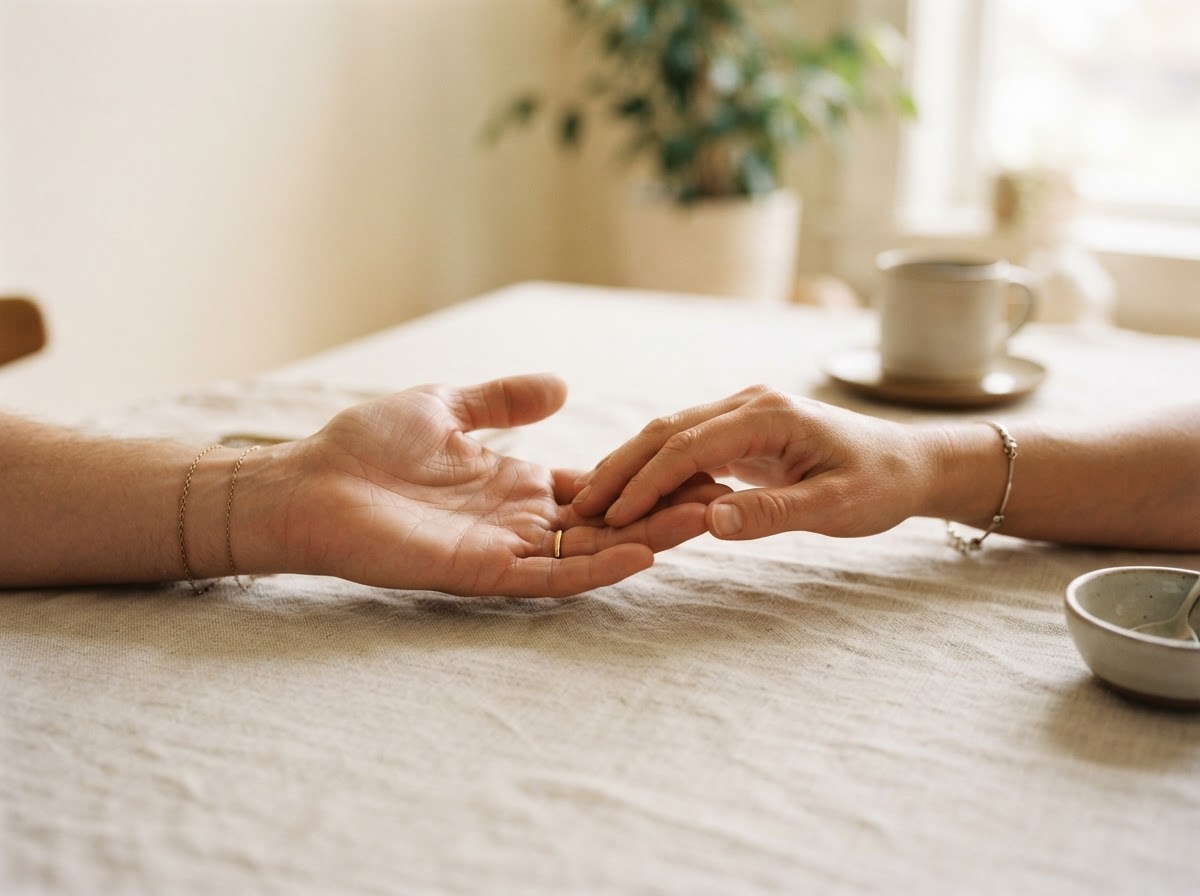
“Exploring healthy conflict and how constructive disagreements strengthen rather than weaken relationships.”
Why It’s Okay to Argue: The Power of Healthy Conflict in Relationships
Many people fear conflict in their relationships, equating disagreement with danger to the partnership. The truth is more nuanced: healthy conflict is not only acceptable—it’s essential for strong, resilient relationships. The difference lies not in whether couples argue, but in how they argue. This article explores why conflict is a normal and necessary part of intimate relationships, and how to navigate disagreements in ways that deepen your connection rather than damage it.
The Myth of the Conflict-Free Relationship
Popular culture often presents an idealized version of love where couples agree on everything and never experience disagreement. This myth sets couples up for disappointment and shame. In reality, two unique individuals with different backgrounds, values, preferences, and perspectives will naturally have times when their interests or views collide.
Research from the Gottman Institute, which has studied thousands of couples over decades, reveals a striking finding: the presence of conflict is not what predicts whether a couple will stay together or separate. Instead, how couples manage conflict determines the health and longevity of their relationship. Happy couples disagree just as much as unhappy couples—they simply handle disagreements differently.
Conflict avoidance—pretending disagreements don’t exist or suppressing them—actually damages relationships over time. When conflicts are ignored:
- Resentment builds silently
- Unmet needs go unaddressed
- Minor irritations become major grievances
- Partners grow increasingly distant
- Communication becomes shallow and guarded
- The relationship becomes a series of compromises rather than a true partnership
The Difference Between Destructive and Constructive Conflict
Not all arguments are created equal. Understanding the distinction between destructive and constructive conflict is crucial for relationship health.
Destructive Conflict
Destructive arguments are characterized by:
- Personal attacks: “You’re so selfish” rather than “I feel hurt when you don’t listen”
- Contempt: Eye-rolling, sarcasm, or mockery of your partner
- Defensiveness: Immediately countering accusations rather than understanding the underlying concern
- Stonewalling: Shutting down, withdrawing, or refusing to engage
- Escalation: Arguments that become increasingly heated without resolution
- Bringing up past grievances: Using old conflicts as ammunition rather than staying focused
- Winning vs. connecting: Approaching the argument as a battle to win rather than an opportunity to understand
- Raising your voice, name-calling, or threats: Communication that damages trust and safety
These patterns damage the emotional safety couples need to be vulnerable with each other.
Constructive Conflict
Constructive arguments, by contrast, are characterized by:
- Specific complaints: Focusing on the specific behavior rather than attacking character (“When you forgot about our plans, I felt disappointed” vs. “You’re irresponsible”)
- Curiosity: Genuinely wanting to understand your partner’s perspective
- Respect: Disagreeing while maintaining dignity and kindness
- Accountability: Acknowledging your own part in the conflict
- Focus on solutions: Working together toward resolution rather than “winning”
- Emotional regulation: Managing your tone and staying calm enough to communicate
- Listening actively: Actually hearing what your partner is saying rather than just waiting for your turn to talk
- Repair attempts: Using humor, affection, or validation to ease tension
- Willingness to compromise: Being flexible and finding middle ground
Constructive conflict actually strengthens relationships because it:
- Addresses real issues before they become relationship-threatening
- Increases understanding of each other’s needs and values
- Builds problem-solving skills as a team
- Deepens trust through vulnerability and honest communication
- Prevents resentment from accumulating
- Creates opportunities for growth and change
Why Conflict Is Actually Healthy
1. Conflict Reveals Incompatibilities Early
A couple’s disagreements show you how different you are—and that’s valuable information. These differences aren’t flaws; they’re facts about your partners that you need to understand. Early conflicts help couples determine whether they can navigate differences respectfully.
2. Conflict Provides Opportunities for Intimacy
When you navigate a conflict successfully—when you hear your partner’s needs, they understand your perspective, and you find a solution together—you experience a profound form of intimacy. You’ve been fully known and fully accepted, which is the essence of intimate connection.
3. Conflict Prevents Relationship Stagnation
Disagreements push couples to grow and evolve. Without conflict, you might remain in patterns that don’t serve either of you. Conflict creates the friction that motivates change.
4. Conflict Builds Trust
When couples handle disagreements with respect and come out with their relationship intact, trust deepens. You learn that conflict doesn’t destroy your relationship—it strengthens it. This security allows you to be more fully yourselves.
5. Conflict Clarifies Values and Boundaries
Through disagreements, you learn what matters most to you and your partner. Conflicts about finances, household responsibilities, family time, or physical affection reveal your core values and help you negotiate boundaries that honor both people.
The Four Horsemen of the Apocalypse (What to Avoid)
Gottman’s research identified four patterns of communication that are particularly damaging to relationships. He calls them the “Four Horsemen” because they predict relationship breakdown with striking accuracy:
1. Criticism
Criticism goes beyond complaining about a specific behavior to attacking your partner’s character.
- Criticism: “You always forget things—you’re so irresponsible.”
- Healthier complaint: “I was frustrated when you forgot our anniversary. I felt like it didn’t matter to you.”
2. Contempt
Contempt is the most toxic pattern—it’s disrespect conveyed through sarcasm, mockery, eye-rolling, or dismissal. It sends a clear message: “I think less of you.”
3. Defensiveness
When criticized, defensiveness is a natural response, but it prevents resolution. It means you’re focused on protecting yourself rather than understanding your partner.
4. Stonewalling
Withdrawing emotionally, refusing to engage, or giving the silent treatment shuts down communication and leaves the issue unresolved.
When these patterns dominate a couple’s conflict style, relationships deteriorate. Conversely, replacing them with curiosity, respect, vulnerability, and engagement creates healthier dynamics.
Skills for Constructive Conflict
Active Listening
Listen to truly understand rather than to prepare your response. Reflect back what you hear: “It sounds like you felt unheard in that conversation.”
Use “I” Statements
Express how you feel and what you need rather than blaming: “I feel hurt when…” instead of “You hurt me by…”
Take Responsibility
Acknowledge your contribution: “I realize I didn’t ask about your day before launching into my complaints.”
Ask Clarifying Questions
Before reacting, make sure you understand: “Help me understand what you meant by that.”
Stay Calm and Grounded
If emotions escalate, take a break. Step away, breathe, go for a walk. Return to the conversation when you’re calmer.
Look for Understanding, Not Victory
The goal is not to win but to find a solution that honors both people’s needs.
Repair Attempts
Use humor, affection, or reassurance to soften tension: “I love you, and I want to figure this out.”
Find Common Ground
Even when you disagree about the issue, you likely agree on deeper values: “We both want to feel heard and respected, right?”
When to Seek Professional Support
Sometimes couples need help learning constructive conflict skills. A couples therapist can:
- Help you identify destructive patterns
- Teach communication and conflict resolution skills
- Create a safe space to discuss difficult topics
- Help you understand each other’s perspectives
- Develop strategies for managing specific recurring conflicts
- Rebuild trust if conflicts have been particularly damaging
If you notice that arguments consistently follow destructive patterns, if you’re avoiding conflict altogether, or if conflicts aren’t resolving, couples therapy can be transformative.
Reframing Conflict as Connection
The couples who report the highest satisfaction in their relationships aren’t those without conflict—they’re those who’ve learned to see conflict as an opportunity. When you can argue respectfully, listen deeply, and work toward solutions together, you’re not just resolving disputes. You’re practicing the vulnerability, communication, and teamwork that real intimacy requires.
Conflict doesn’t destroy relationships. Ignored conflict does. Contemptuous conflict does. But honest, respectful, solution-focused conflict? That’s where real connection happens.
So the next time you and your partner disagree, take a breath. You’re not in danger—you’re in an opportunity. An opportunity to be heard, to understand, to grow together, and to deepen your commitment to one another.
At Harbor Path Therapy, we help couples develop the skills and understanding they need to transform conflict into connection. If you’re ready to strengthen your relationship through better communication, we’re here to help.
This article is for educational purposes and is not a substitute for professional therapy. If you’re in crisis, call or text 988.